Sunday, March 1, 2026

The Geological Foundation of Sierra Blanca

Sierra Blanca lies within the Basin and Range Province, a massive geological region stretching across West Texas, New Mexico, and into the western United States. 


The nearby Sierra Blanca Peak is volcanic in origin, and much of the surrounding landscape reflects ancient igneous activity.

That means:

  • Volcanic rock

  • Igneous intrusions

  • Mineralized zones

  • Desert sediment deposits

🪨 Common Minerals Found in the Area

1️⃣ Quartz

Quartz is widespread in West Texas.

It appears in:

  • Veins within volcanic rock

  • Sedimentary deposits

  • Weathered surface fragments

Quartz is extremely common in desert geology and often forms the base mineral matrix of the region.

2️⃣ Feldspar

Feldspar is another major component of igneous rocks in the area. It breaks down over time into clay minerals, contributing to the sandy desert soils.

3️⃣ Calcite

Calcite is common in sedimentary layers and limestone formations throughout Hudspeth County.

This mineral often contributes to:

  • Hard well water

  • Alkaline soil conditions

4️⃣ Gypsum

Parts of West Texas contain gypsum deposits, especially in arid basins where evaporation concentrates minerals.

Gypsum is commonly associated with:

  • White powdery soils

  • Crusty desert surfaces

  • Evaporative mineral beds

5️⃣ Fluorspar (Fluorite)

Hudspeth County historically had fluorspar mining operations.

Fluorite was mined in West Texas during the 20th century and used in industrial processes.

This gives the region a minor but documented mineral extraction history.

Is There Gold in Sierra Blanca?

Short answer: Not in significant commercial quantities.

While small trace amounts of gold can occur in volcanic regions, Sierra Blanca is not known as a gold-producing district like parts of California or Nevada.

West Texas is more known for:

  • Industrial minerals

  • Volcanic rock formations

  • Limestone and sedimentary deposits

🛢 What About Oil or Natural Gas?

Hudspeth County is not a major oil-producing county compared to:

  • Midland

  • Odessa

  • Permian Basin regions

Sierra Blanca is more mountainous and volcanic compared to the sedimentary basins that hold large petroleum reserves.

What the Soil Is Like

Because of its mineral composition and desert climate:

  • Soil is typically sandy to rocky

  • Low organic matter

  • Alkaline pH

  • Calcium-rich in some areas

  • Fast drainage

This affects:

  • Agriculture

  • Gardening feasibility

  • Well water mineral content

  • Septic planning

🧭 Why Sierra Blanca’s Mineral Profile Matters

If you’re:

  • Buying land

  • Drilling a well

  • Building foundations

  • Planning agriculture

  • Researching groundwater quality

Understanding the mineral base helps you anticipate:

  • Hard water issues

  • Soil amendment needs

  • Foundation stability

  • Erosion patterns

Desert geology shapes daily life more than most people realize.

The Big Picture

Sierra Blanca is not a precious-metal rush town.

It is a volcanic, mineral-rich, high-desert environment shaped by:

  • Ancient tectonic movement

  • Igneous activity

  • Arid erosion

  • Basin sediment deposition

The minerals here are mostly structural and industrial — not flashy.

But they define the land.


What's the Weather Like in Sierra Blanca, Texas?

If you're searching:

  • “How hot does it get in Sierra Blanca Texas?”

  • “Does Sierra Blanca get snow?”

  • “What is winter like in Hudspeth County?”

  • “West Texas desert climate year round”

You’re in the right place.

Sierra Blanca, located in Hudspeth County, sits in the far West Texas desert along Interstate 10 — and its climate surprises a lot of people.

Because desert doesn’t just mean hot.

It means extremes.

🌡 How Hot Does It Get in Sierra Blanca?

🔥 Peak Summer Highs

During June, July, and August:

  • Average daytime highs: 92°F–98°F

  • Heat waves can push temperatures to 100°F–105°F

  • Overnight lows often remain in the mid 60s to mid 70s

Unlike humid parts of Texas, Sierra Blanca heat is dry heat — similar to parts of New Mexico or Arizona.

That means:

  • Less humidity

  • Faster evaporation

  • Intense sun exposure

  • Big temperature swings after sunset

Why It Feels So Intense

Sierra Blanca sits at roughly 4,500 feet elevation, which creates:

  • Stronger UV exposure

  • Intense direct sunlight

  • Rapid daytime heating

The desert sun here can feel sharp — like standing under a magnifying glass.

🌞 Hottest Month in Sierra Blanca

Typically: July

Average July temperatures:

  • High: ~95°F

  • Low: ~70°F

But triple-digit days are not uncommon during heat waves.

If you’re building or relocating, July and August test your cooling strategy.

❄ How Cold Does It Get in Sierra Blanca?

This is what surprises most people.

Desert elevation = cold winters.

🥶 Winter Averages (December–January)

  • Average daytime highs: 48°F–58°F

  • Overnight lows: 25°F–35°F

  • Hard freezes are common

Lowest Recorded Temps

Sierra Blanca has seen temperatures dip into:

  • The teens

  • Occasionally single digits during rare Arctic outbreaks

Snow?

Yes — occasionally.

Snowfall is light and infrequent, but the town can see dustings during winter systems moving across West Texas.

🌬 Why the Temperature Swings Are So Dramatic

The desert climate has:

  • Very low humidity

  • Thin dry air

  • Minimal cloud cover

  • Rapid heat loss at night

This means:

  • 95°F during the day

  • 55°F after sunset

  • 30°F overnight in winter

  • Then 60°F by afternoon

The temperature swings are part of daily life.

🌦 Annual Climate Snapshot

Here’s a simplified breakdown:

SeasonDaytime HighNighttime Low
Spring65–85°F40–55°F
Summer92–100°F65–75°F
Fall70–85°F40–60°F
Winter48–58°F25–35°F

☀ Is Sierra Blanca Hotter Than the Rest of Texas?

Not necessarily.

Compared to:

  • Houston (humid 100°F)

  • Dallas (humid mid-90s)

  • San Antonio (high humidity summers)

Sierra Blanca’s dry heat often feels more tolerable — though still intense in direct sun.

However, winters in Sierra Blanca are colder than most central or coastal Texas cities because of elevation.

🌵 What the Climate Means for Living There

Summer Considerations:

  • Shade structures matter

  • Proper insulation is essential

  • Hydration is critical

  • Air conditioning or evaporative cooling helps

Winter Considerations:

  • Insulated plumbing is important

  • Heating systems are necessary

  • Pipes can freeze

  • Nighttime temps drop quickly

Desert living rewards preparation.

🌌 The Big Takeaway

Sierra Blanca doesn’t just get hot.

It gets:

  • Hot summers

  • Cold winters

  • Dramatic day-to-night swings

It’s not a tropical climate.
It’s not a mild coastal zone.

It’s true high-desert West Texas.

If you’re relocating, building, or buying land here, plan for both extremes.

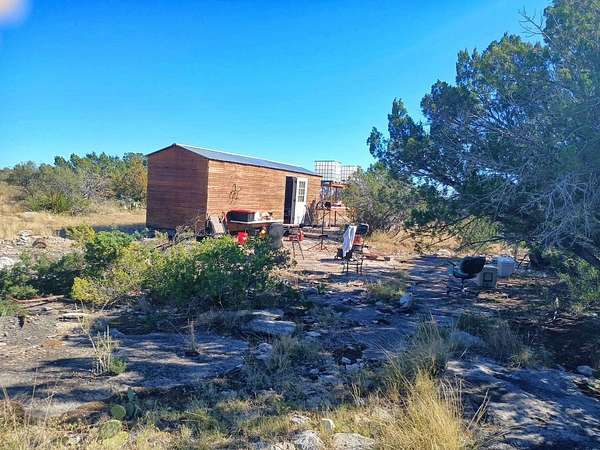
Is Sierra Blanca, Texas Really Off-Grid? (2026 Complete Guide)

Image

If you’ve searched:

  • “off grid living Texas”

  • “cheapest land in Texas desert”

  • “move to Sierra Blanca Texas”

  • “can you live off grid in Hudspeth County?”

You’re not alone.

Image

Sierra Blanca has quietly become one of the most searched micro-towns in West Texas for people wanting space, sovereignty, and simplicity.

But here’s the real question:

Is Sierra Blanca truly off-grid — or is it off-grid in name only?

Let’s break it down clearly, factually, and strategically.

Where Is Sierra Blanca, Texas?

Sierra Blanca sits in Hudspeth County, directly along Interstate 10 in far West Texas.

It’s:

  • About 90 miles southeast of El Paso

  • Desert climate

  • Very small population

  • Surrounded by ranch land and open terrain

On the surface, it looks like the perfect “disappear into the desert” location.

What “Off-Grid” Actually Means in 2026

The term “off-grid” is searched more than ever right now.

But it can mean different things:

Traditional Off-Grid

  • Solar + battery power

  • Private well or hauled water

  • Septic system

  • No city utilities

Modern Reality

Even in remote towns:

  • Cellular networks exist

  • Satellite internet is common

  • Highway infrastructure runs nearby

  • Telecommunications corridors follow I-10

Sierra Blanca allows traditional off-grid utilities.

But modern infrastructure still exists in the region.

Cost of Land in Sierra Blanca, Texas (Why It’s Trending)

One reason Sierra Blanca ranks in search results:

Affordable desert land.

Compared to:

  • Marfa

  • Alpine

  • Terlingua

Sierra Blanca parcels can sometimes be significantly less expensive.

That makes it attractive to:

  • Homesteaders

  • RV dwellers

  • Remote workers

  • People leaving high-cost states

  • Alternative lifestyle seekers

Low land cost = high search volume.

The Hidden Layer Most Buyers Don’t Research

Buying off-grid land without researching infrastructure is like buying beachfront property without checking the tide charts.

It may look peaceful — until you understand the invisible forces.

Sierra Blanca is located on a major interstate corridor.

That means:

  • Transportation infrastructure

  • Logistics pathways

  • Communication infrastructure

Even very small towns can sit inside larger network systems.

This doesn’t automatically mean “bad.”

But it does mean:

Remote does not equal disconnected.

Climate: The Solar Advantage

West Texas sun is powerful.

Search terms like:

  • “best state for solar panels”

  • “solar off grid Texas”

  • “West Texas solar viability”

…are rising.

Sierra Blanca’s desert climate makes it excellent for:

  • Solar production

  • Dry storage

  • Low humidity building conditions

From a pure energy independence perspective, it checks many boxes.


Pros of Living Off-Grid in Sierra Blanca

✔ Very low population
✔ Affordable land opportunities
✔ Strong solar exposure
✔ Minimal municipal oversight
✔ Desert privacy


Cons to Consider

⚠ Water sourcing can be challenging
⚠ Harsh summer temperatures
⚠ Limited medical access
⚠ Infrastructure follows highway corridors
⚠ Extremely small local economy

None of these are dealbreakers.

They’re planning factors.

Is Sierra Blanca Safe?

Another highly searched question.

Sierra Blanca has a very small population. Crime rates in tiny towns are statistically volatile because of low numbers, but it is not widely known as a high-crime area.

However, safety in 2026 is multidimensional:

  • Physical safety

  • Economic stability

  • Environmental awareness

  • Infrastructure exposure

Most relocation blogs only talk about crime.

Few talk about environmental layers.


The Environmental Literacy Question

When people search “off grid living Texas,” what they usually mean is:

“I want autonomy.”

Autonomy today includes understanding:

  • Water quality

  • Soil composition

  • Climate stress

  • Signal density

  • Highway corridor impact

If you’re building a long-term sanctuary, research is part of sovereignty.


Who Sierra Blanca Is Perfect For

  • Solar-focused homesteaders

  • People comfortable hauling water

  • RV or tiny home dwellers

  • Buyers wanting cheap land with privacy

  • Individuals seeking wide open desert

Who Should Research More Deeply

  • Those seeking ultra-low infrastructure environments

  • Buyers sensitive to environmental inputs

  • People building retreat or healing spaces

  • Anyone wanting a truly isolated location

Final Verdict: Is Sierra Blanca Really Off-Grid?

Yes — in the traditional utility sense.

No — if your definition of off-grid means “free from all modern infrastructure layers.”

Sierra Blanca is a fascinating hybrid:

A tiny desert town sitting inside a modern transportation and communications corridor.

It can absolutely support independence.

But independence today requires informed design.

Before You Buy Land Anywhere in Texas

If you’re researching:

  • Sierra Blanca

  • Terlingua

  • Marfa

  • Rural Alpine

  • Sanderson

Consider evaluating:

  1. Utility access

  2. Water feasibility

  3. Solar viability

  4. Highway proximity

  5. Infrastructure density

Because going off-grid in 2026 is less about escaping society…

…and more about intelligently navigating it.


Sierra Blanca vs. Other “Off-Grid” Texas Towns

Which Areas Truly Support a Low-EMF Sanctuary Lifestyle?

When people search for off-grid land in Texas, they often compare remote desert towns, Hill Country pockets, and ranch regions.

But if your goal includes building a low-EMF sanctuary, population density alone is not the full story.

Let’s compare Sierra Blanca with other popular off-grid destinations:

  • Terlingua

  • Marfa

  • Alpine

  • Leakey

  • Rocksprings

  • Sanderson

This isn’t about fear.
It’s about environmental literacy.

Area: ~0.15 square miles
Registered towers: 19
Approx. tower density: ~127 towers per square mile

What Makes Sierra Blanca Unique?

  • Extremely small geographic footprint

  • Located directly along Interstate 10

  • Registered infrastructure tied to major telecom and defense contractors

  • High tower concentration relative to land size

Off-Grid Reality

You can live off municipal utilities here.
You can install solar.
You can haul water.

But the infrastructure footprint per square mile is unusually dense for such a small town.

For someone building a low-signal sanctuary, this density requires measurement and intentional design.

Terlingua, Texas

Pros:

  • Vast unincorporated land

  • Flexible building culture

  • Large acreage parcels

EMF Considerations:

  • Infrastructure tends to follow highway corridors

  • Towers are more geographically spread out

  • Greater physical distance between structures

Compared to Sierra Blanca, Terlingua typically offers more land buffer between properties — which may allow for better distance-based mitigation.

Marfa, Texas (Outside City Limits)

Pros: 

  • Larger surrounding rural zones

  • Active homestead community

EMF Considerations:

  • Growing tourism

  • Expanding telecom coverage

  • Increasing infrastructure development

Marfa’s rural outskirts may offer more distance options than Sierra Blanca, but development trends are accelerating.

Alpine, Texas (Rural Outskirts)

Pros:

  • Larger land parcels outside town center

  • Good solar viability

  • Higher elevation

EMF Considerations:

  • Regional highway corridor

  • University presence (more infrastructure demand)

Alpine generally spreads infrastructure across a broader area than Sierra Blanca’s concentrated footprint.

Leakey & Rocksprings (Hill Country) 

Pros:

  • Low population density

  • Rolling terrain can create natural signal barriers

  • Some affordable acreage

EMF Considerations:

  • Towers near highways

  • Increasing rural connectivity

Terrain variability in the Hill Country may offer natural line-of-sight shielding advantages not present in flat desert corridors like Sierra Blanca.

Sanderson, Texas

Pros:

  • Extremely low population

  • Large ranch tracts

  • Wide spacing between properties

EMF Considerations:

  • Border region infrastructure

  • Highway signal routes

Sanderson may provide more geographic buffer potential compared to Sierra Blanca’s compact footprint.

TownLand FootprintInfrastructure ConcentrationNatural Terrain Buffer
Sierra BlancaVery smallHigh per square mileFlat desert
TerlinguaLarge surrounding landSpread outOpen desert
Marfa (rural)Moderate to largeIncreasingMixed
Alpine (rural)Larger footprintModerateElevation advantage
LeakeyLarger areaModerateHills & valleys
RockspringsLarge countyModerateRolling terrain
SandersonVery large ranch landSpread outOpen desert


What This Means for Building an EMF-Conscious Sanctuary

If your primary goal is:

  • Isolation from neighbors → Many of these towns work.

  • Solar viability → West Texas excels.

  • Minimal zoning → Desert regions are ideal.

But if your goal includes:

  • Lower signal density

  • Maximum distance from towers

  • Natural terrain shielding

  • Intentional sleep environment optimization

Then:

You must measure before purchasing.

No remote town is automatically low-EMF.

The Smart Way to Choose Land

Before buying:

  1. Map tower locations.

  2. Visit with an RF meter.

  3. Check for line-of-sight to antennas.

  4. Evaluate terrain shielding.

  5. Plan bedroom placement strategically.

This is where education matters.

Turning Comparison Into Action

If you’re serious about creating a safe EMF-conscious sanctuary in Texas, don’t rely on assumptions about remoteness.

BioElectric.Solutions, teaches you for free:

  • How to measure environmental RF properly

  • How to design a shielded sleep space

  • How to build a layered protection strategy

  • How to avoid common shielding mistakes

Because true off-grid living in 2026 includes understanding the invisible infrastructure layer.

Sierra Blanca, Texas: Can You Truly “Go Off-Grid” in a High-Density RF Corridor?

When people move to Sierra Blanca, they’re usually looking for space, silence, and sovereignty.

And in many ways, you do get that.

But here’s what most off-gridders don’t research before purchasing land:

  • Sierra Blanca covers just 0.15 square miles

  • It contains 19 registered cell towers

  • That’s approximately 127 towers per square mile

Registered licensees include:

  • Lockheed Martin Corporation

  • Leidos Innovations Corporation

  • Sprint Spectrum LLC

This does not automatically mean danger.

But it does mean this:

Off-grid does not automatically equal low-signal.

And if your goal is to build a true sanctuary — physically and electromagnetically — you need more than solar panels and rainwater harvesting.

You need strategy.

The Myth of the “Signal-Free Desert”

The desert feels empty.

But telecommunications infrastructure often prefers:

  • Flat terrain

  • Long line-of-sight corridors

  • Low population resistance

  • Highway proximity

Sierra Blanca sits along I-10 — a major communication and logistics corridor.

Even if you:

  • Don’t use WiFi

  • Don’t own a smart TV

  • Don’t connect to city utilities

Ambient RF signals from surrounding infrastructure still propagate through space.

If you are intentionally creating a healing space, retreat center, or low-EMF homestead, this matters.

What a True EMF-Conscious Sanctuary Requires

If you’re serious about building a safe electromagnetic environment, here’s the framework.

Step 1: Measure Before You Assume

You cannot manage what you do not measure.

Before purchasing land — or immediately after — conduct:

  • RF spectrum analysis

  • Background ambient readings

  • Directional intensity checks

  • Nighttime vs. daytime comparisons

Many off-gridders skip this entirely.

At BioElectric.Solutions, education around proper measurement is foundational. Guesswork is not sovereignty.

Step 2: Design With Physics in Mind

RF mitigation is not about paranoia.

It’s about:

  • Distance

  • Shielding

  • Orientation

  • Grounding

  • Sleep optimization

Practical strategies include:

  • Earth berming or terrain shielding

  • Building placement relative to visible towers

  • Minimizing reflective interior metal surfaces

  • Creating a low-signal sleeping space

A sanctuary is built intentionally.

Step 3: Create a Shielded Sleep Environment First

If you only do one thing — start with the bedroom.

Why?

Because your nervous system repairs during sleep.

Low-EMF sleep environments may include:

  • Shielded canopies

  • Shielded bedding systems

  • Grounding strategies

  • Smart meter mitigation (if applicable)

  • Removing internal wireless sources

This is one of the most practical starting points for those wanting immediate action.

The Responsible Middle Ground

Let’s be balanced.

Current federal exposure limits consider RF levels below threshold to be safe.

At the same time:

  • Some peer-reviewed studies explore non-thermal biological effects.

  • Environmental medicine practitioners discuss cumulative load.

  • Individuals who identify as electro-sensitive report symptom patterns.

BioElectric.Solutions does not promote fear.

It promotes:

  • Education

  • Personal choice

  • Measurement

  • Informed design

Why This Matters for Off-Grid Buyers

If you are:

  • Buying desert acreage

  • Building a healing retreat

  • Designing a long-term homestead

  • Seeking nervous system restoration

Then tower density per square mile is part of due diligence.

You would test:

  • Water quality

  • Soil quality

  • Structural integrity

Why would signal density be excluded?

Turning This Into Action: Your Next Step

If this article resonates with you, don’t stop at concern.

Move to clarity.

At BioElectric.Solutions, you can learn:

  • How to measure RF properly

  • How shielding works (and when it doesn’t)

  • Which products are practical vs. gimmicks

  • How to design a sleep sanctuary

  • How to create a low-EMF home strategy

This isn’t about hiding from the world.

It’s about intelligently navigating it.

Final Thought for Sierra Blanca & Beyond

True off-grid living in 2026 is multidimensional.

You can disconnect from:

  • Municipal power

  • City water

  • Sewer systems

But electromagnetic infrastructure is now part of the environmental layer.

And building a sanctuary means understanding every layer.

If your goal is a safe EMF-conscious sanctuary, begin with education.

👉 Visit BioElectric.Solutions to learn how to measure, design, and protect your space responsibly.

What Happens in the Chihuahuan Desert When the Grid Goes Quiet: High-Dollar Candy, Sports Distractions, and What Nobody Is Asking About Corey Heim

The Reality of Halloween in Hudspeth County Late October out here in Sierra Blanca does not look like suburban America. There are no sidewa...